Built around your specific recovery
Your session is generated from your own consultation. We ask what you're recovering from, what state you can't access, what would change. Built around your specifics.

The body recovers in parasympathetic dominance — immune function, tissue repair, anti-inflammatory cascade all depend on it. Rest without that state is just stillness, not recovery.
The body has two operating modes — sympathetic, for output and action; parasympathetic, for digestion, repair and recovery. The immune system runs better in parasympathetic. Tissue repair accelerates in parasympathetic. Anti-inflammatory regulation depends on it. People recovering from illness, surgery or burnout are told to rest, but rest is a state, not a position. Lying down while still sympathetically activated produces stillness without the recovery physiology.
Common pattern: high-output people who have spent decades in sympathetic dominance lose reliable access to the parasympathetic state. Forced rest becomes uncomfortable — restless, guilt-laden, productivity-anxious. The trap is filling rest with low-grade work. The work that lasts restores the recovery state itself.
Off work to recover, can't tolerate the stillness. The body too geared up to settle into repair.
Recovery timeline longer than expected. Often the parasympathetic state required for tissue repair has gone offline.
Out of the acute illness but not back to baseline. Recovery stalls without recovery-state access.
Resting while feeling you shouldn't be. The shame inflammation undermining the rest itself.
Phone next to the sickbed. The compulsion to stay productive sabotaging recovery.
Genuinely not knowing what real rest feels like. The state has been absent so long the body has forgotten the shape.
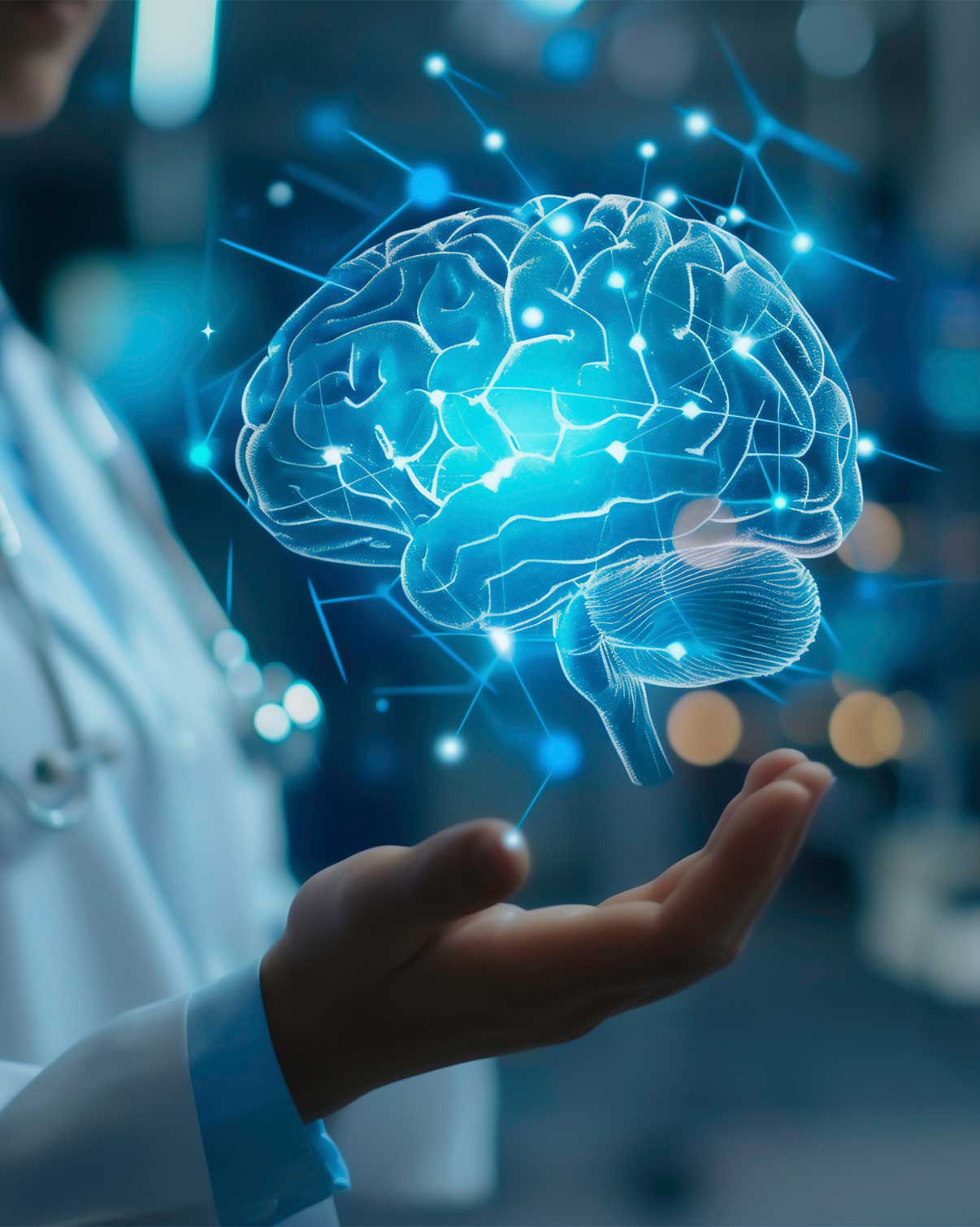
Telling a chronically activated person to rest is asking them to do something they cannot access. Will alone doesn't open the parasympathetic state — and trying harder to relax adds another sympathetic demand. The recovery state has to be entered, repeatedly, before the body remembers how.
Hypnotherapy is a parasympathetic-dominant state by mechanism. Slowed breath, lowered heart rate, deepened vagal tone — the exact physiology of recovery, accessed via guided suggestion. With reps, the recovery state becomes available outside the session and the body's recovery accelerates. The American Psychological Association recognises hypnotherapy as an evidence-based psychological approach.
Most recovery content is checklists — hydrate, sleep, take it easy. Useful but cognitive. The session works on the autonomic state recovery actually requires.
Your session is generated from your own consultation. We ask what you're recovering from, what state you can't access, what would change. Built around your specifics.
The session uses repeated descent into the recovery state. The system relearns the route, and the recovery physiology returns.
Three short voice recordings during the consultation are analysed for emotional tone. Recovery-resistance signature shows in voice; the session is calibrated accordingly.
Every Hypnotrack pathway is built on clinical frameworks from a qualified hypnotherapist — registered, National Hypnotherapy Society (HYP16-03742).
The Sleep & Recovery pathway is designed for the specific shapes recovery-state difficulty takes. Some may sound familiar.
Tissue repair stalled by sympathetic activation. The session supports the parasympathetic state surgical recovery requires.
The slow climb back from viral illness. The session restores the autonomic foundation recovery depends on.
Cancer treatment, hospital stays, long acute episodes. The session supports the recovery-state access body needs.
Time off that doesn't restore. The session works on the descent the depleted system has lost.
Can't tolerate the stillness recovery requires. The session offers the body a state to enter rather than nothing to do.
Genuinely not knowing what rest feels like. The session re-teaches the shape.
Your session is around 15 minutes of personalised hypnotherapy audio. It opens with slow breath and full-body grounding — the parasympathetic descent recovery depends on.
It moves into recognition of your specific recovery pattern. New patterns are introduced: permission to rest, the felt sense of the body repairing, the deeper vagal tone of recovery. Future-pacing — what recovery looks like when the body has access to its recovery state. Yours forever, designed for daily use during convalescence and as ongoing maintenance.
Built from your own consultation — your specific recovery, your own language, the version of you whose body can recover in rest.
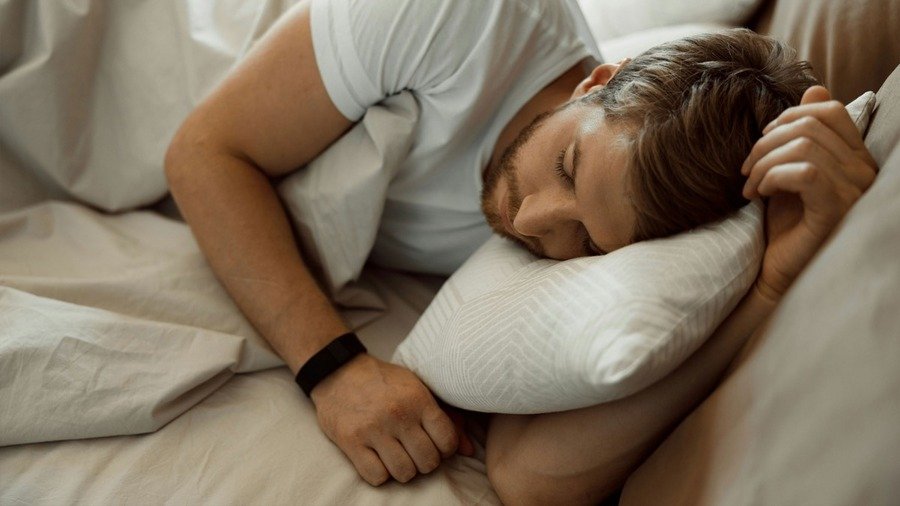
We won't promise miraculous recovery. The session supports the autonomic state the body recovers in — it does not replace medical treatment, surgical aftercare, or the time tissue repair takes. Recovery remains the body's work; the session improves the conditions.
If you are recovering from a serious illness, surgery or persistent fatigue, please follow your medical team's guidance and discuss complementary practices with your GP. NHS sleep guidance may also be relevant alongside recovery.
Yes — many people use it from the early days after surgery. Discuss with your surgical team first. The session supports parasympathetic state, which suits recovery. Use lying down, headphones, quiet space.
Daily, often twice — morning and evening. During acute recovery, more is helpful. The session is designed to be re-listened to without diminishing returns.
It cannot accelerate tissue repair beyond the body's natural pace, but it can restore the parasympathetic conditions repair requires, which often improves the recovery trajectory.
Yes — many people use the session alongside prescribed medication. The session works on state, not chemistry. Coordinate any medication changes with your GP or consultant.
The session can support the parasympathetic foundation recovery requires, but long COVID needs medical pacing protocols and GP input. Please coordinate care.
Around 15 minutes. Delivered within 30 minutes. Yours forever.
No specific belief is required. You remain in control throughout.